

How bluegrass, improvisation, and the jam scene found common ground.
Bluegrass and the jam scene have always had more in common than they get credit for. Both rely on musicians listening closely to each other, leaving room for exploration, and rewarding technical skill. Instrumentation might vary, but the instinct to follow a jam wherever it leads is shared between the two. Songs stretch and evolve, solos are conversations, no two performances are exactly alike.
However, the boundaries of tradition often mark the diverging point. Bluegrass developed as a tradition built around preservation. It’s a living music, but it has a strong identity around certain conventions: instrumentation, song structures, and picking techniques. These elements are what define bluegrass and make it recognizable as bluegrass. Musicians like Bill Monroe and Doc Watson pioneered the language, and the history of the genre is built around people refining it.
Conversely, the jam band scene grew from a different instinct and took the opposite path. Instead of honoring the form, the jam scene sought to expand the form. Where can this go? How can this be extended? What other elements can be incorporated? Jam songs are less of fixed objects and become more of a starting point.

Interestingly, both genres are chasing the same thing. Bluegrass musicians and jam band musicians are focused on listening, reacting, improvising, and communicating with others.
A bluegrass solo is often a conversation. A jam band solo is often a conversation. The difference is how long they’re allowed to talk.
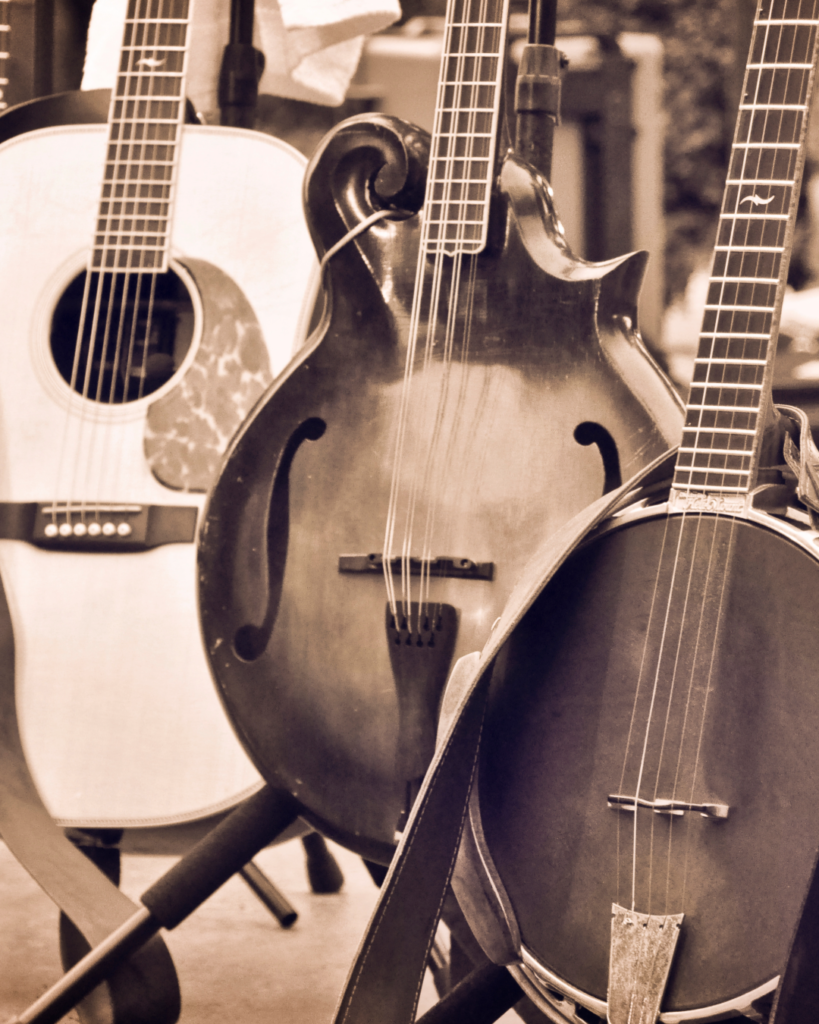
Jamgrass is the middle ground where these two philosophies meet. Jamgrass asks what happens when you take the bluegrass musical language and give it the freedom of the jam scene? You keep the instruments and picking tradition, songwriting, and harmonies, but wiggle out of the tightness of arrangements, song lengths, and boundaries. The result is something both rooted yet unpredictable.
For decades, bluegrass asked musicians how well they could play the song. The jam scene asked how far they could take it. Jamgrass is what happens when those questions become the same question.
The interesting thing about jamgrass is that it isn’t really a new idea. The ingredients have been there all along. Bluegrass has always had improvisation. Jam music has always borrowed from roots traditions. What’s changed is that more musicians and listeners are realizing they don’t have to choose between the two.
So, why is jamgrass having a moment now?
- Jam band fans were already looking for this music, they just might not have known it. The jam scene has always valued musicianship, live spontaneity, and community. These values have always existed in bluegrass.
- Billy Strings became the bridge. What can I say that hasn’t already been said? The dude is a dude. But there’s more than that. Billy brought traditional bluegrass credibility, great stage presence, and perhaps most importantly the chops and curiosity to push the genre’s boundaries and blur into raw psychedelia. Billy didn’t introduce improv to bluegrass, but he reminded a generation that it was always there.
- Festivals blurred the lines. The modern festival ecosystem has evolved a lot. Genre walls have gotten much lower, and festival lineups increasingly blur genre boundaries. A single weekend can move from traditional bluegrass to psychedelic rock to jamgrass without anyone finding it strange.
- Acoustic instruments are having a renaissance. In a world of increasingly produced, programmed, and quantized music, there’s an appetite for something authentic. Musical decisions made in real time, tiny imperfections, make things feel organic and real, and organic and real seems rarer and rarer.
- Social media changed discovery. You don’t need to know jack about bluegrass standards to know that someone can rip on a quick Instagram reel.
- Finally, people want music that feels communal. A lot of modern listening is a solitary experience. Slap your headphones on, beep boop the algorithm, scroll. Jamgrass thrives on live shows, dancing, and strangers stopping strangers.
Jamgrass isn’t a departure from bluegrass. Jamgrass is having a moment because its continuing the bluegrass legacy of musicians listening to each other and seeing where the song can go. The difference is that the boundaries have gotten wider. This next generation of players is taking the language they’ve inherited and asking different questions with it. All the pieces are there; they’re just being looked at from a different angle. In a world where so much music is polished and predictable, the rawness of acoustic instruments and improvisation resonates with listeners. Traditions aren’t preserved by keeping them untouched. They’re preserved by the people who pick them up, tinker with them, and find new places to take them.